We are committed to ensuring sustainable management of Uganda's water and environment resources for the benefit of present and future generations. Our mission is to promote and ensure the rational and sustainable utilization of water and environment resources for socio-economic development.
Our Mission Statement:
To promote efficient and effective utilization of water and environment resources for a healthy, wealthy and climate resilient population
Vision Statement:
Transformed Ugandan Society with environment and natural resources sustainably managed.
LGFSsThe Ministry of Water and Environment is actively implementing and expanding its program for Large Gravity Flow Schemes across Uganda. This strategic approach to water supply development leverages Uganda’s natural topography, particularly in hilly and mountainous regions, to deliver safe, clean, and reliable piped water to communities without the need for energy-intensive pumping. By harnessing the natural force of gravity, these schemes offer a sustainable and cost-effective solution for increasing water access, improving public health, and reducing the burden of water collection, particularly for women and children in rural and peri-urban areas.Key Objectives of the Program:The Large Gravity Flow Schemes program aims to achieve several critical objectives:Increase Access to Safe Piped Water: To significantly expand the percentage of the population with sustainable access to safe and readily available piped water, especially in geographically challenging terrains where conventional motorized systems might be impractical or costly.Ensure Reliable and Sustainable Water Supply: To provide communities with a continuous and dependable flow of water throughout the year, utilizing perennial high-altitude water sources.Optimize Cost-Effectiveness and Sustainability: To reduce the operational and maintenance costs associated with water supply by minimizing or eliminating the need for pumps, thereby ensuring the long-term viability of the schemes.Improve Health, Sanitation, and Hygiene: To contribute directly to better health outcomes by providing clean water for drinking, cooking, and domestic hygiene, reducing the incidence of waterborne diseases.Reduce Distances to Water Sources: To bring water closer to households, schools, and health centers, saving communities significant time and effort previously spent on fetching water from distant or unsafe sources.Promote Environmental Protection: To ensure the protection and sustainable management of the water sources and their catchment areas, safeguarding the quantity and quality of water for future generations.Project Scope and Typical Activities:The implementation of Large Gravity Flow Schemes involves a comprehensive set of activities:Feasibility Studies and Source Identification: Thorough technical and social assessments to identify perennial springs, rivers, or other suitable water sources at higher elevations.Intake Structure Construction: Building robust intake structures at the water source to abstract water efficiently while protecting its quality.Transmission Pipeline Laying: Installation of extensive main pipelines, often spanning many kilometers, to convey water from the intake to storage reservoirs, utilizing gravity.Reservoir and Break-Pressure Tank Construction: Building strategically located reservoirs (storage tanks) and break-pressure tanks to manage water flow, maintain pressure, and ensure sufficient storage capacity.Distribution Network Development: Establishment of a network of secondary pipelines to distribute water from the reservoirs to various communities.Public Water Point (Standpipe) and Household Connections: Installation of public standpipes in accessible locations and facilitating private household connections where feasible.Water Source Protection: Implementing measures such as fencing, tree planting, and community sensitization to protect the integrity of the water source and its immediate catchment.Community Mobilization and Capacity Building: Engaging local communities, forming Water and Sanitation Committees (WSCs), and providing training on scheme operation, maintenance, and financial management to ensure local ownership and sustainability.Expected Impact and Benefits:The Large Gravity Flow Schemes program is expected to bring transformative benefits to beneficiary communities:Enhanced Water Coverage: A significant increase in the number of people with access to safe and reliable water, particularly in challenging terrains.Improved Public Health: A noticeable reduction in waterborne diseases due to the availability of clean water.Time and Labor Savings: Freeing up valuable time, especially for women and girls, which can be re-allocated to education, economic activities, and other productive endeavors.Economic Empowerment: Creating opportunities for small-scale agriculture and other enterprises due to reliable water access, and reducing healthcare expenditures.Environmental Sustainability: Promoting eco-friendly water supply solutions with minimal energy requirements and fostering responsible water resource management.This ongoing program is a cornerstone of Uganda’s commitment to achieving national water security and contributing to the Sustainable Development Goals (SDGs), particularly SDG 6 on Clean Water and Sanitation.Bukedea GFS Revised RAP ReportBukedea District is water stressed and lies within the flood zone and hence faces a major challenge of increasing access to clean and safe water to its rapidly growing population amidst diminishing water resources both in quantity and quality. Ground water resourceshave proved inadequate to meet the district’s potable water demand.
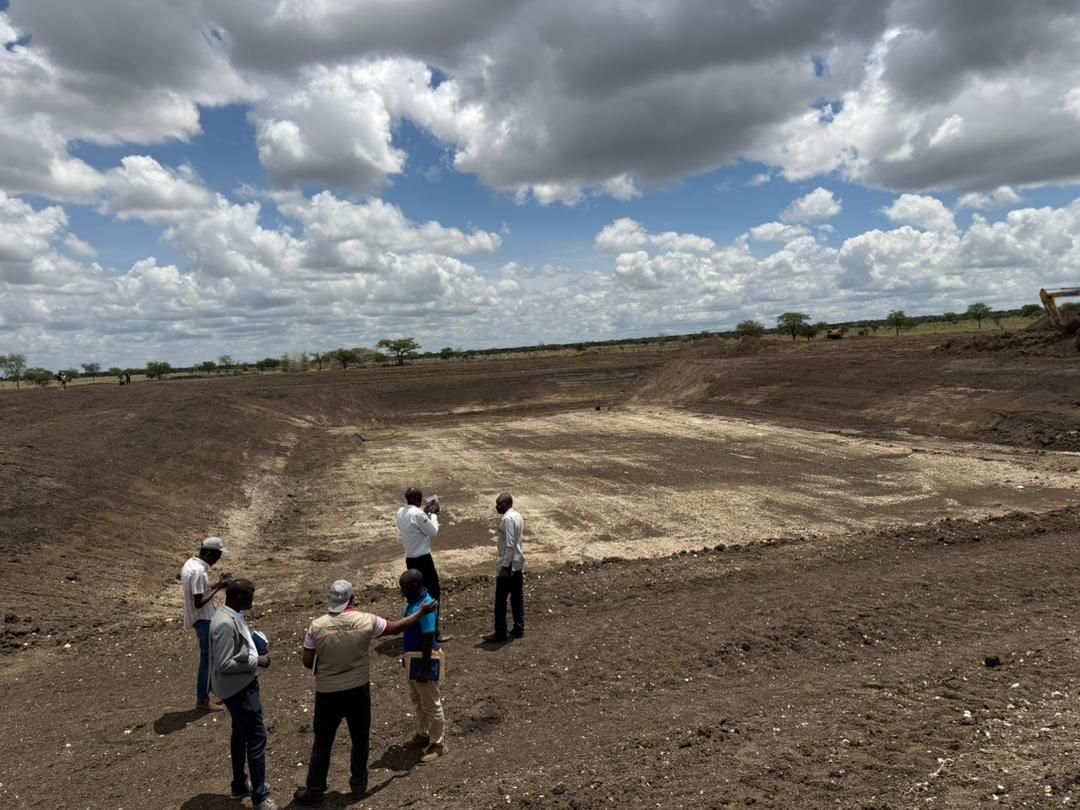
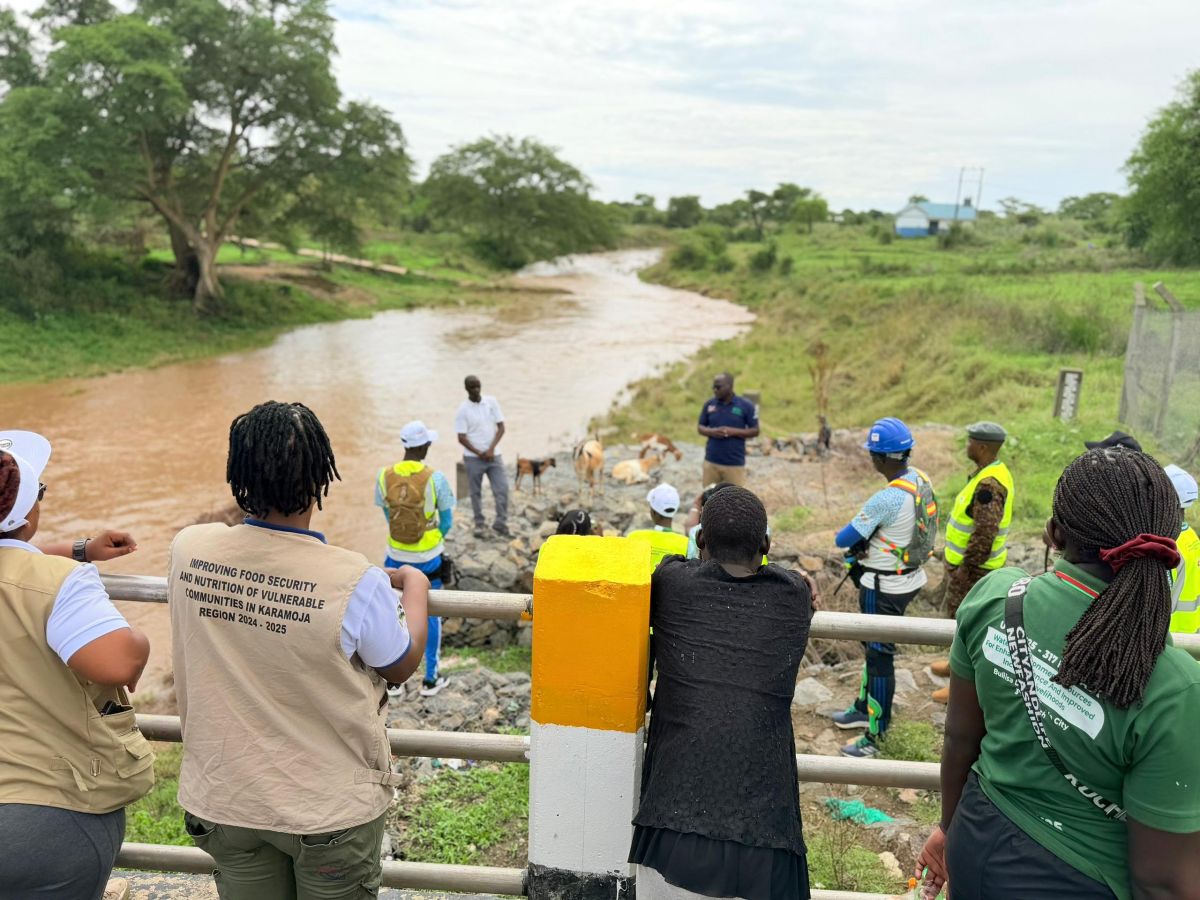
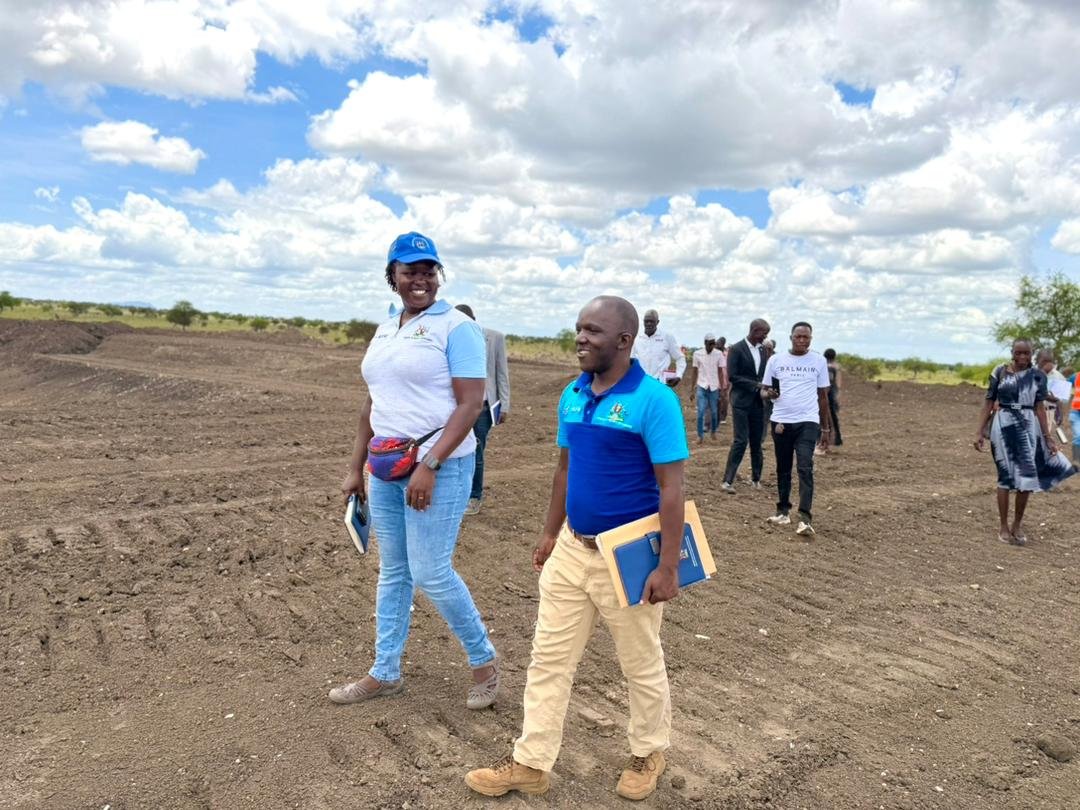
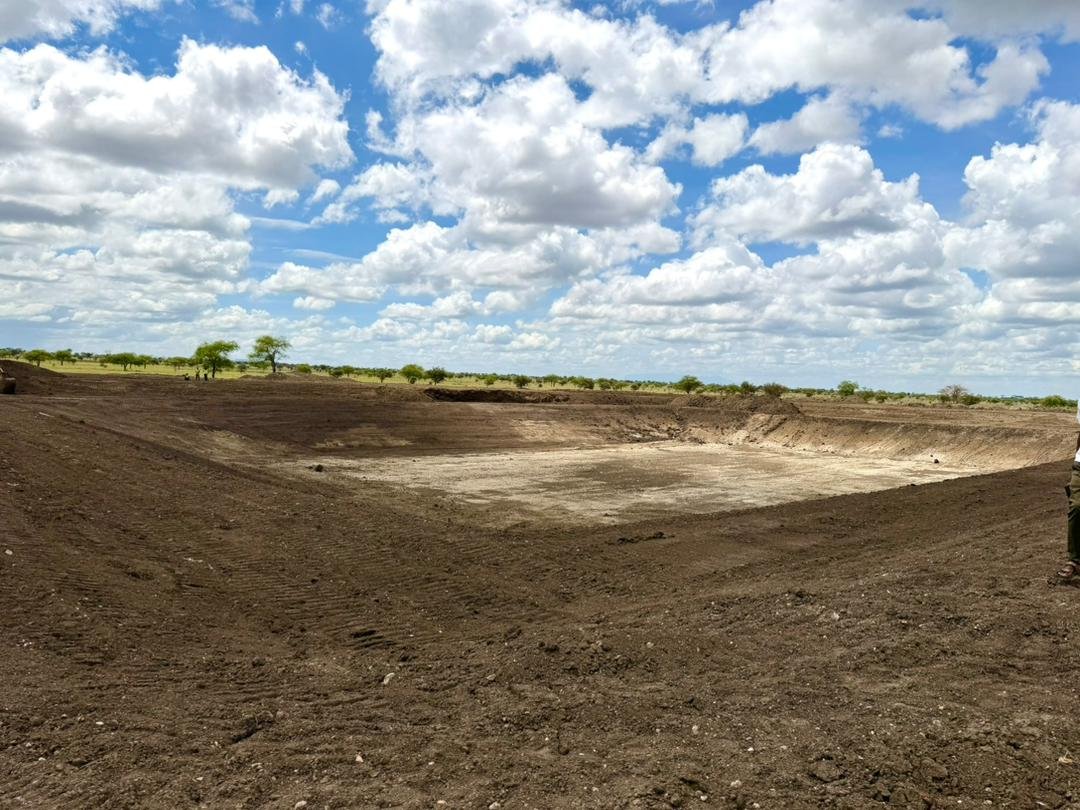
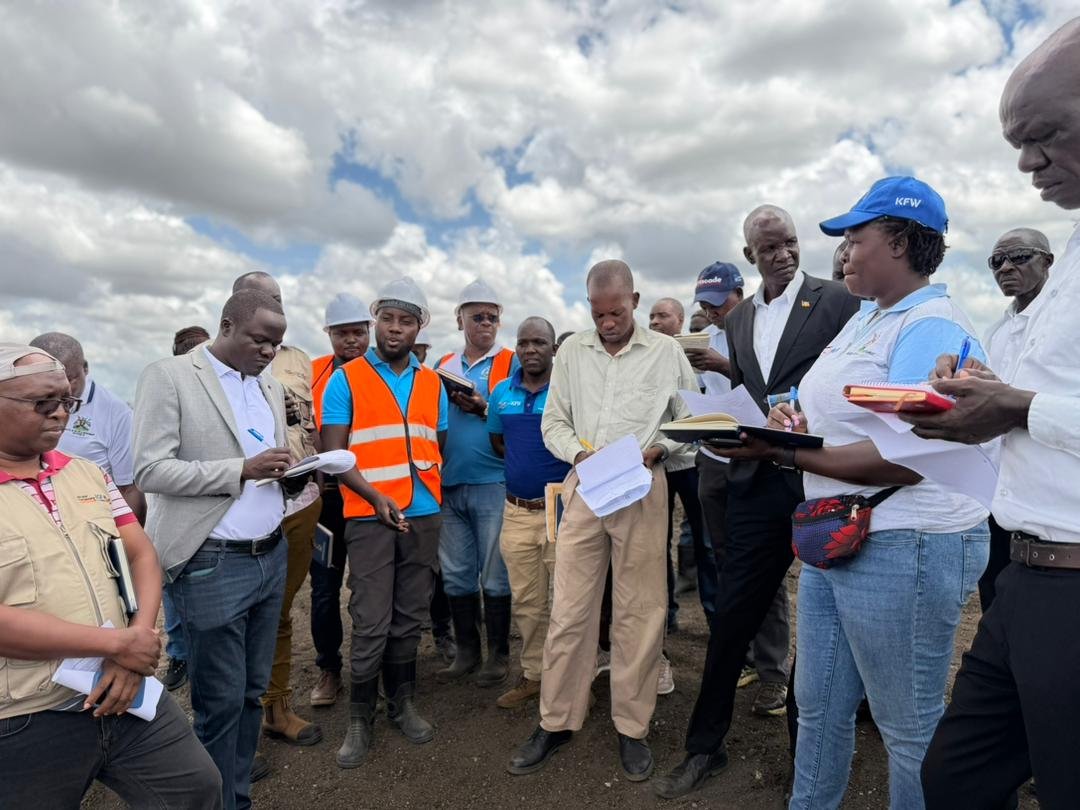
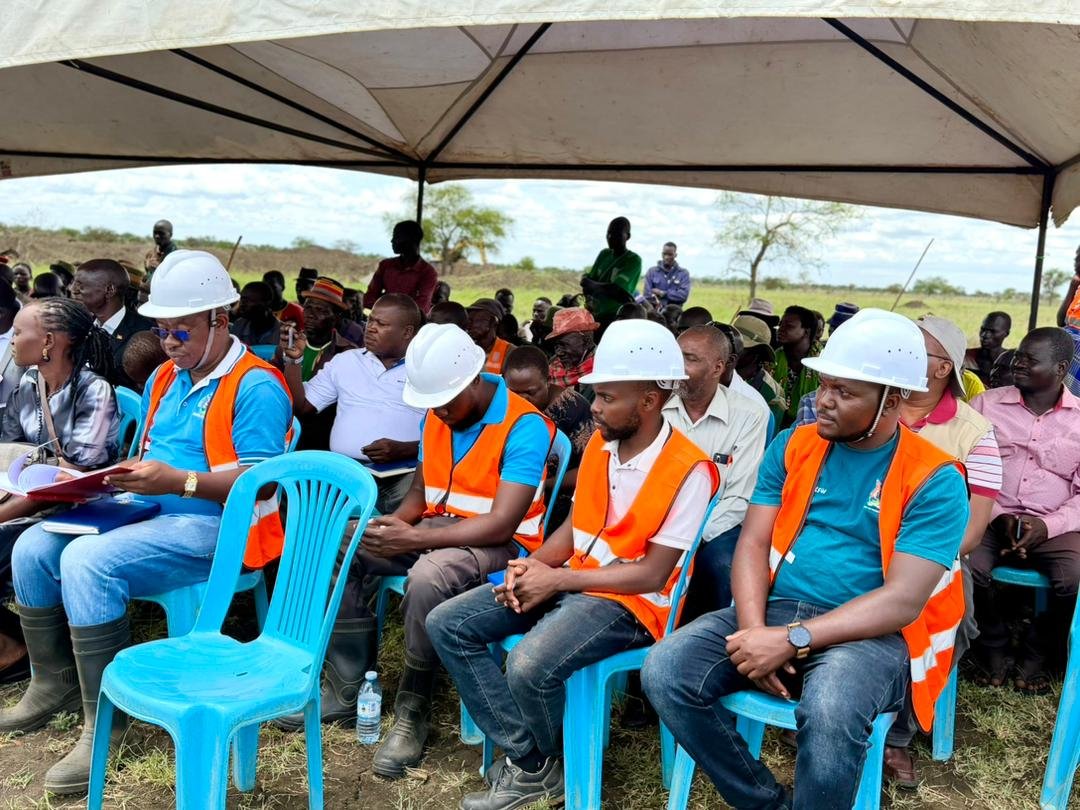
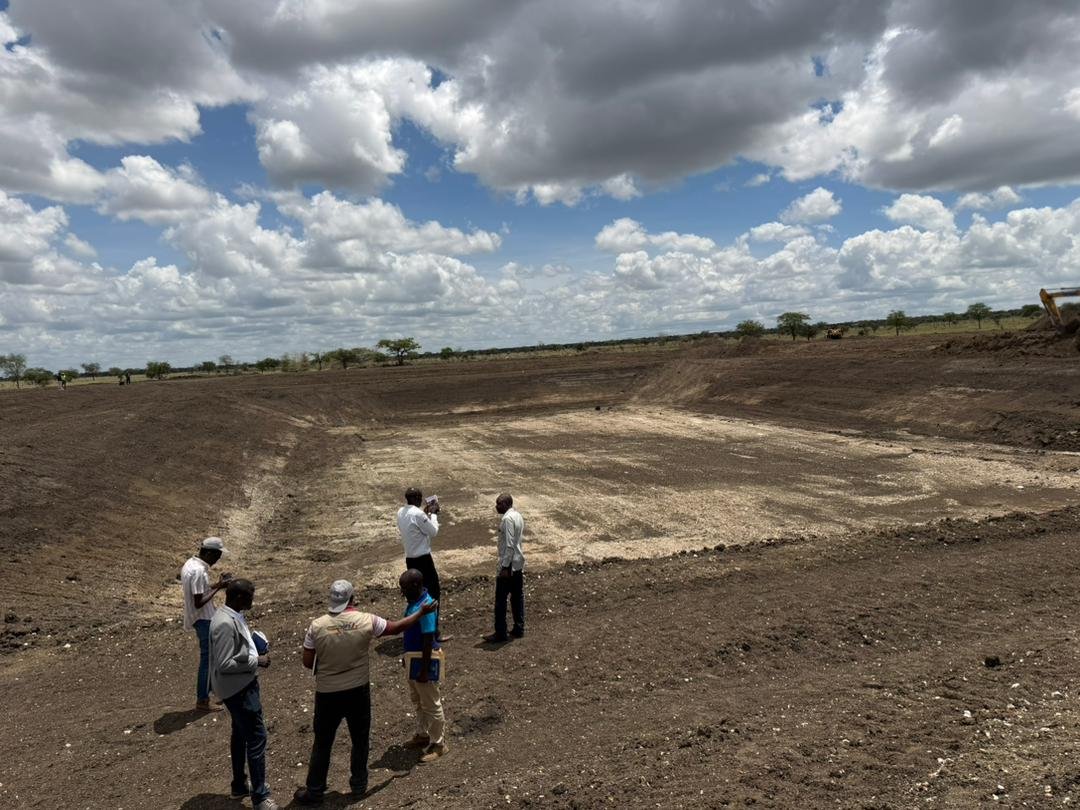
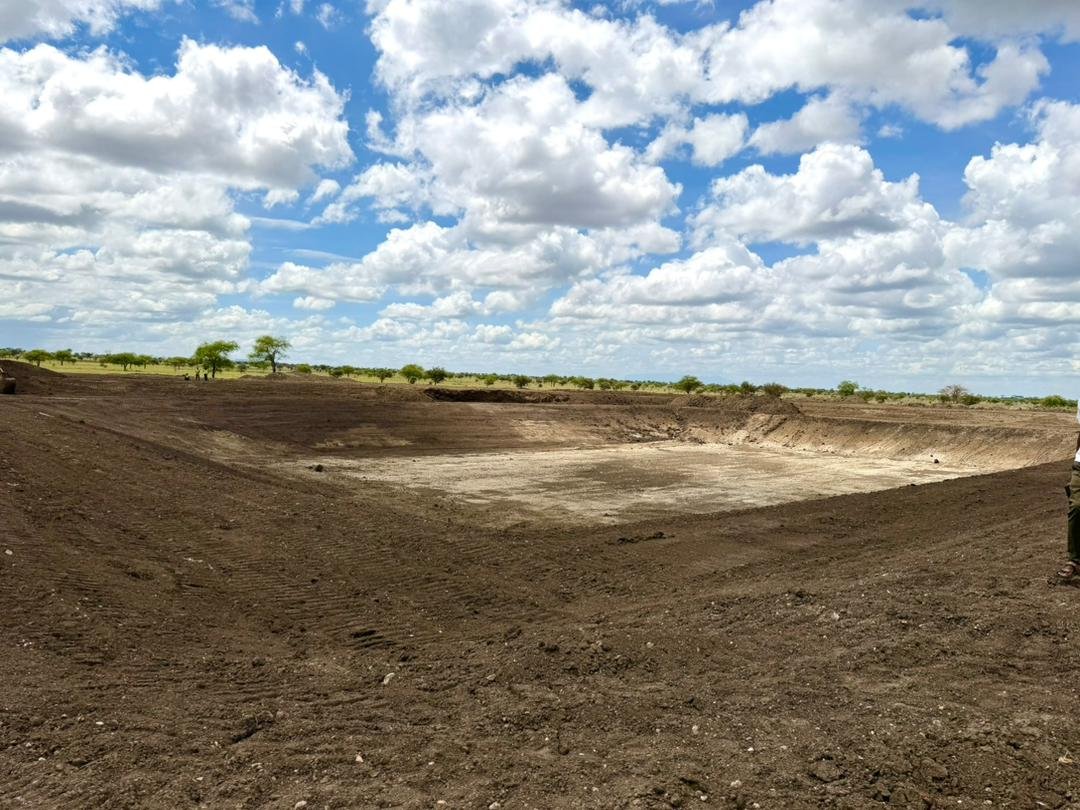
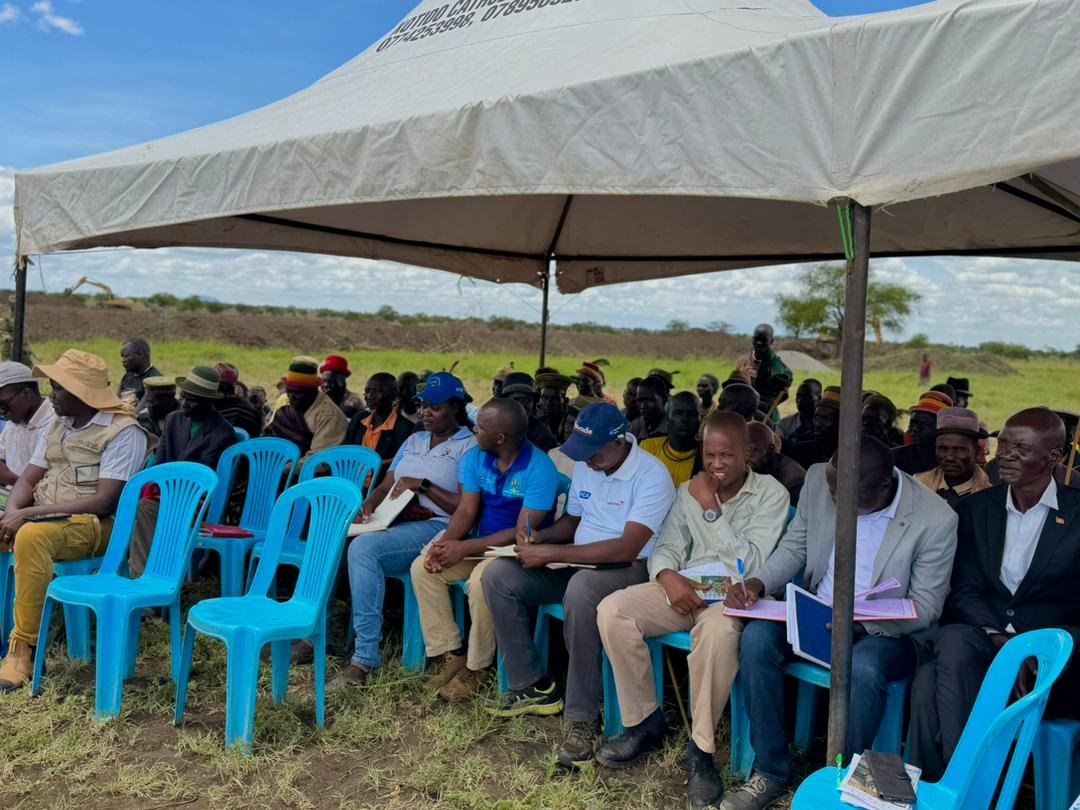
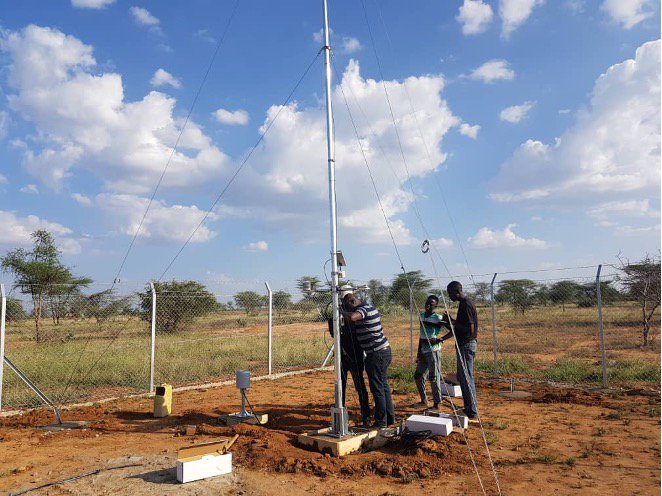
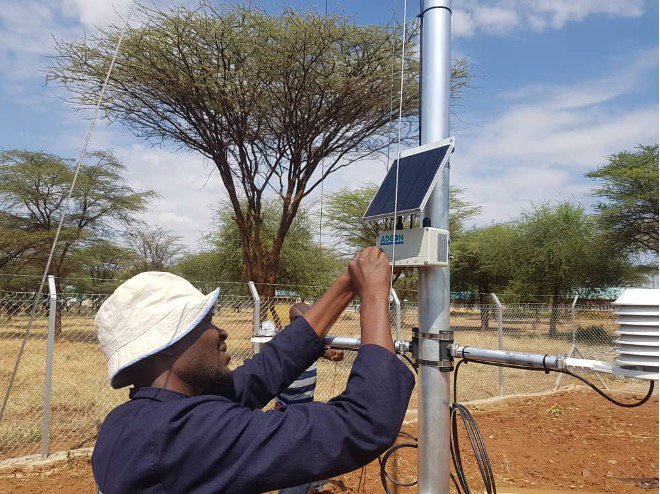
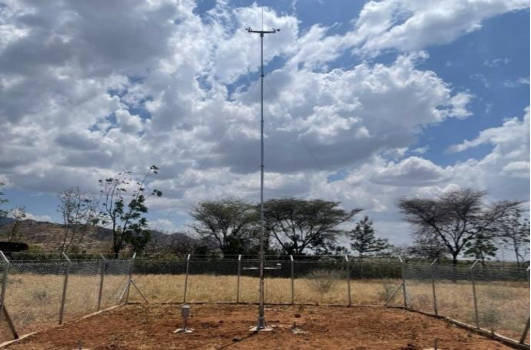
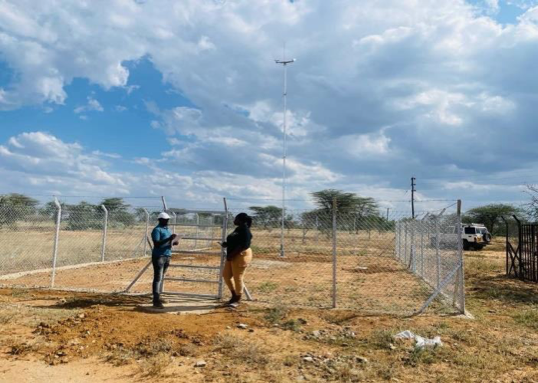
The project is funded by the Adaptation Fund through the Sahara and Sahel Observatory. The overall objective of the project is to increase the resilience of smallholder farmers and pastoralists to climate change risks mainly those related to drought, through the establishment of appropriate early warning systems and implementation of drought adaptation actions in the IGAD region. The project targets to consolidate synergies and adopt innovative and resilient drought management actions from selected IGAD region countries including Djibouti, Kenya, Sudan and Uganda. More specifically, this project is intended to strengthen the drought resilience of smallholder farmers and pastoralists by:Developing and promoting regional investments in early drought warning systems (EWS) and improving the existing ones.Strengthening and improving the capacity of key stakeholders in drought risk management at regional, national and local levels.Facilitating smallholder farmers and pastoralists inputs to undertake innovative adaptation actions that reinforce their resilience to drought.Enhancing knowledge management and information sharing on drought resilience at the considered levels.Project implementation arrangementsThe project is implemented in collaboration with mandated institutions, such as the Department of Meteorology (MWE), the Ministry of Agriculture, Animal Industry and Fisheries, and Nabuin Zonal Agriculture Research and Development Institute (ZARDI).DRESSEA Project Area:Moroto (All sub counties), Napak (Ngolereit, Matany, Lopeei, Lotome, and Lokopo), and Nabilatuk (Lorengedwat)Estimated Project Cost: USH 9,236,379,840Project Duration, 4 years, launched in 2021 at national level, now in extension period.Project Coordinator:Name: Dr. Callist Tindimugaya, Commissioner, Water Resources Planning and RegulationMobile Phone: 0772521413Email: [email protected] weather stations have been installed in Moroto (Rupa) and Napak (Matany).1 Early Warning Information Center has been renovated and equipped at the Department of Meteorology.Non-Smart Phones and solar radios have been distributed to 115 farmer groups to improve their access to early warning information.Drought Management Plan and Emergency Response Plan has been prepared for Lokere Catchment.115 farmer groups have been trained in drought adaptation measures and provided with seeds and seedlings of drought tolerant crop varieties.4 water harvesting structures have been constructed in Moroto (Lotisan and Tapac), Napak (Lopeei and Lokopo).Soil and water conservation measures have been implemented in Moroto, Napak, and Nabilatuk to improve crop productivity.3 water boreholes have been protected following the guidelines for the protection of groundwater sources.Impact:Early waring information sharing and feedback collection meetingsInnovative soil on farm soil and water conservation techniques in Vegetable growing in Katikekile Sub CountyPerma-gardens in Moroto (Nakonyen and Lotisan)Distribution of seeds in Lokopo Sub County
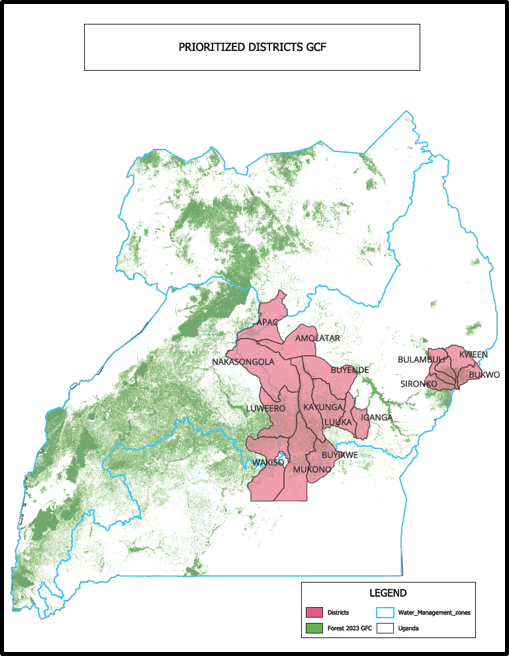
Project summary Between 2016 and 2017, Uganda achieved a major climate milestone by reducing over 8 million tonnes of CO₂ equivalent through targeted efforts to combat deforestation. These results were reported in Uganda’s Biennial Update Report (BUR) and validated through the UNFCCC’s technical assessment and analysis processes. At the 43rd Meeting of the Green Climate Fund (GCF) Board (27–30 October 2025, Songdo, Republic of Korea), the Food and Agriculture Organization of the United Nations (FAO) will present the project “Uganda REDD+ Results-Based Payment for Emission Reductions (2016–2017)”. The proposal seeks a USD 31 million GCF grant to reward Uganda’s verified emission reductions and support continued efforts to halt deforestation and forest degradation. This is the first REDD+ Results-Based Payment project in Africa to be presented to the GCF Board, positioning Uganda as a regional leader in climate mitigation and forest conservation.Forests under pressure Uganda’s forests are facing increasing threats from agricultural and settlement expansion, grazing, and unsustainable wood harvesting for charcoal and timber. These proximate drivers are underpinned by broader socio-economic factors, including, limited economic alternatives, weak governance, insecure land tenure, and rapid population growth.Agricultural conversion for commodities, such as cassava and cattle, is responsible for over 90 percent of forest loss.These pressures are eroding vital ecosystems and accelerating emissions, underscoring the urgent needfor policies and measures that both sustain existing forests and expand forest cover while safeguardingthe rights and livelihoods of forest-dependent communities. This project will build on Uganda’s REDD+Strategy and address the drivers of deforestation and forest degradation through: Sustainable land management and agroforestry; Climate-smart agriculture and sustainable woodfuel production; Community-based pole and timber plantations; and Restoration of natural forests.These strategies aim to relieve pressure on natural ecosystems while promoting carbon removal and long-term sustainability. Agroforestry systems will generate benefits from several sources, including crop yields, timber, firewood, carbon, and watershed protection. Woodlots for both timber and firewood will reduce the distances rural women must walk to collect firewood.
Project: Mobilization and Institutional Facilitation of Sanitation (UN-Habitat)Lake Victoria Water and Sanitation program (LVWATSAN) was first launched in 2004 by the Ministers responsible for water within the East Africa Community (EAC) with the aim of achieving the Millennium Development Goals (MDGs) for water and sanitation in the ‘secondary urban centres’ within the Lake Victoria Basin; ensuring the long term sustainability of the physical investments; addressing the current threats to the lake’s ecosystems from inadequate water and sanitation provision in the secondary and larger settlements around the Lake. LVWATSAN was designed by UN-HABITAT at the request of the Ministers of Water of the EAC for an integrated package of interventions, including water supply and sanitation improvements, solid waste management, and drainage improvements in key areas, as well as capacity building and training for the utilities and town planners.The Lake Victoria Water and Sanitation (LVWATSAN) Initiative is a pivotal multi-phase program dedicated to addressing the critical challenges of water supply, sanitation, and environmental management in urban centers situated within the Lake Victoria Basin. As a key East African Community (EAC) initiative, LVWATSAN is coordinated by the Lake Victoria Basin Commission (LVBC) and implemented by the respective EAC Partner States, including Uganda. The program aims to reverse the growing pollution of Lake Victoria, improve public health, and enhance the living standards of millions of residents by providing sustainable access to clean water and adequate sanitation infrastructure.Key Objectives of the Initiative:LVWATSAN pursues comprehensive objectives to achieve a healthier and more sustainable Lake Victoria Basin:Improve Sustainable Water Supply Infrastructure: To significantly expand and rehabilitate water supply systems in targeted urban centers, ensuring reliable access to safe and clean drinking water for growing populations.Enhance Sanitation and Wastewater Management: To drastically improve sanitation facilities, including sewerage systems, faecal sludge management, and public toilets, thereby reducing the discharge of untreated wastewater into the lake and its tributaries.Strengthen Solid Waste and Storm Water Management: To implement integrated solutions for managing solid waste and improving urban drainage, preventing pollution and improving the urban environment.Build Institutional and Human Resource Capacities: To strengthen the technical and operational capacities of local authorities, water utilities (like NWSC), and communities for the sustainable management of water and sanitation services.Contribute to Environmental Protection: To reduce the negative environmental impact of urbanization on the Lake Victoria Basin, safeguarding its fragile ecosystem and biodiversity.Support Pro-Poor Investments: To ensure that water and sanitation improvements specifically benefit vulnerable and disadvantaged groups, including residents of informal settlements and low-income areas.Phases and Key Achievements:The LVWATSAN Initiative has progressed through several impactful phases:LVWATSAN Phase I (Supported by UN-HABITAT and Dutch Grants):This initial phase targeted 10 secondary urban centers across Kenya, Tanzania, and Uganda.In Uganda, towns included: Nyendo/Ssenyange, Bugemebe, and Kyotera.UN-HABITAT, through its Lake Victoria Region City Development Strategies Programme, also prioritized major cities like Kampala (Uganda), Kisumu (Kenya), and Mwanza (Tanzania) for improvements in sanitation, waste management, and access to safe drinking water.LVWATSAN Phase II (Supported by African Development Bank and African Water Facility):Following Ministerial endorsements in 2008 and 2009, this phase scaled up the initiative to include 15 additional secondary towns across five EAC Partner States.In Uganda, the targeted towns included: Mayuge, Buwama-Kayabwe-Bukakata (cluster), and Ntungamo.Significant infrastructure development occurred, with commissionings of facilities such as the Ntungamo Water Supply and Sanitation System and the Mayuge Water Supply System in 2016.The project also focused on construction of public and institutional toilets and integrated water supply systems in these towns.Key achievements include the drilling of numerous boreholes, rehabilitation/construction of water treatment plants, and the establishment of public water fountains and public toilets across the EAC Partner States.Kampala Water – Lake Victoria WATSAN (KW-LVWATSAN):This specific sub-project focused on addressing the pressing water supply and sanitation challenges within Kampala, implemented primarily by the National Water and Sewerage Corporation (NWSC) with significant funding from development partners like AFD, EIB, KfW, and the EU.It involved extensive upgrades and rehabilitation of existing water treatment, transmission, and distribution systems, including extending services to informal settlements and improving public sanitation facilities. An operational audit covering 2014-2022 was conducted to assess its impact.Towards LVWATSAN Phase III:The initiative continues to evolve, with planning and preparatory work for potential subsequent phases, including “LV WATSAN Phase III,” indicating a sustained commitment to meeting the growing water and sanitation needs of the Lake Victoria Basin in the face of climate change and urbanization.Project Scope and Impact:The LVWATSAN Initiative’s multifaceted approach has led to substantial improvements in urban water supply and sanitation coverage across the Lake Victoria Basin. By focusing on both “hardware” (infrastructure) and “software” (capacity building, hygiene promotion) interventions, the program has directly contributed to:Enhanced Public Health: Reducing the burden of waterborne diseases and improving overall hygiene standards.Environmental Protection: Minimizing pollution loads entering Lake Victoria, contributing to the health of the lake’s ecosystem.Socio-Economic Development: Freeing up community time for productive activities, fostering local economic opportunities, and enhancing the liveability of urban centers.Regional Integration: Strengthening collaboration and shared responsibility among EAC Partner States for managing a critical trans-boundary resource.The ongoing efforts under the LVWATSAN Initiative underscore the Ministry of Water and Environment’s dedication to providing sustainable water and sanitation services and protecting Uganda’s vital natural resources.
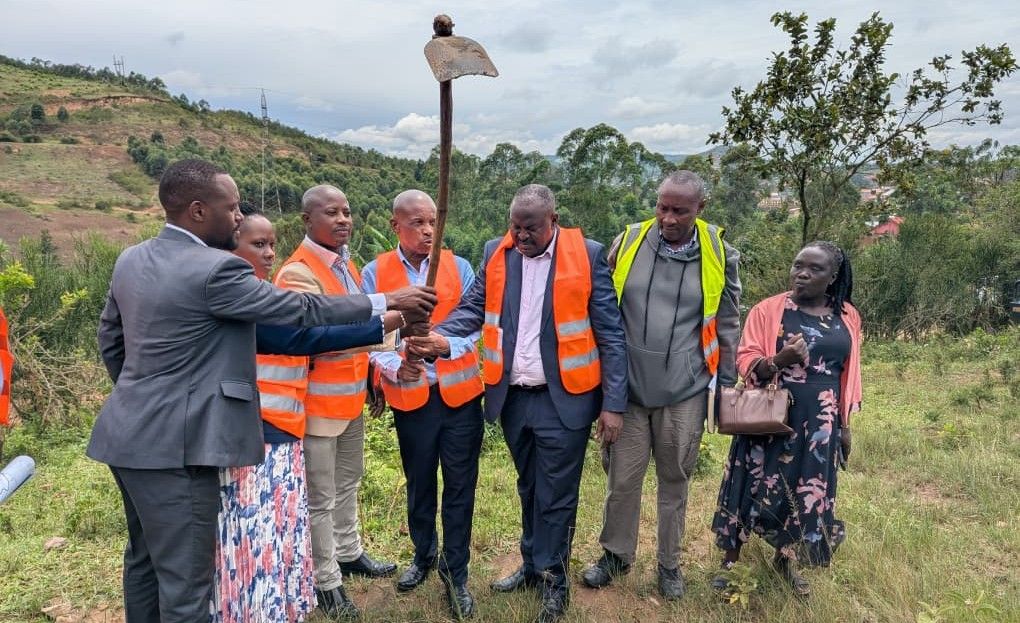
LGFSsThe Ministry of Water and Environment is actively implementing and expanding its program for Large Gravity Flow Schemes across Uganda. This strategic approach to water supply development leverages Uganda’s natural topography, particularly in hilly and mountainous regions, to deliver safe, clean, and reliable piped water to communities without the need for energy-intensive pumping. By harnessing the natural force of gravity, these schemes offer a sustainable and cost-effective solution for increasing water access, improving public health, and reducing the burden of water collection, particularly for women and children in rural and peri-urban areas.Key Objectives of the Program:The Large Gravity Flow Schemes program aims to achieve several critical objectives:Increase Access to Safe Piped Water: To significantly expand the percentage of the population with sustainable access to safe and readily available piped water, especially in geographically challenging terrains where conventional motorized systems might be impractical or costly.Ensure Reliable and Sustainable Water Supply: To provide communities with a continuous and dependable flow of water throughout the year, utilizing perennial high-altitude water sources.Optimize Cost-Effectiveness and Sustainability: To reduce the operational and maintenance costs associated with water supply by minimizing or eliminating the need for pumps, thereby ensuring the long-term viability of the schemes.Improve Health, Sanitation, and Hygiene: To contribute directly to better health outcomes by providing clean water for drinking, cooking, and domestic hygiene, reducing the incidence of waterborne diseases.Reduce Distances to Water Sources: To bring water closer to households, schools, and health centers, saving communities significant time and effort previously spent on fetching water from distant or unsafe sources.Promote Environmental Protection: To ensure the protection and sustainable management of the water sources and their catchment areas, safeguarding the quantity and quality of water for future generations.Project Scope and Typical Activities:The implementation of Large Gravity Flow Schemes involves a comprehensive set of activities:Feasibility Studies and Source Identification: Thorough technical and social assessments to identify perennial springs, rivers, or other suitable water sources at higher elevations.Intake Structure Construction: Building robust intake structures at the water source to abstract water efficiently while protecting its quality.Transmission Pipeline Laying: Installation of extensive main pipelines, often spanning many kilometers, to convey water from the intake to storage reservoirs, utilizing gravity.Reservoir and Break-Pressure Tank Construction: Building strategically located reservoirs (storage tanks) and break-pressure tanks to manage water flow, maintain pressure, and ensure sufficient storage capacity.Distribution Network Development: Establishment of a network of secondary pipelines to distribute water from the reservoirs to various communities.Public Water Point (Standpipe) and Household Connections: Installation of public standpipes in accessible locations and facilitating private household connections where feasible.Water Source Protection: Implementing measures such as fencing, tree planting, and community sensitization to protect the integrity of the water source and its immediate catchment.Community Mobilization and Capacity Building: Engaging local communities, forming Water and Sanitation Committees (WSCs), and providing training on scheme operation, maintenance, and financial management to ensure local ownership and sustainability.Expected Impact and Benefits:The Large Gravity Flow Schemes program is expected to bring transformative benefits to beneficiary communities:Enhanced Water Coverage: A significant increase in the number of people with access to safe and reliable water, particularly in challenging terrains.Improved Public Health: A noticeable reduction in waterborne diseases due to the availability of clean water.Time and Labor Savings: Freeing up valuable time, especially for women and girls, which can be re-allocated to education, economic activities, and other productive endeavors.Economic Empowerment: Creating opportunities for small-scale agriculture and other enterprises due to reliable water access, and reducing healthcare expenditures.Environmental Sustainability: Promoting eco-friendly water supply solutions with minimal energy requirements and fostering responsible water resource management.This ongoing program is a cornerstone of Uganda’s commitment to achieving national water security and contributing to the Sustainable Development Goals (SDGs), particularly SDG 6 on Clean Water and Sanitation.Bukedea GFS Revised RAP ReportBukedea District is water stressed and lies within the flood zone and hence faces a major challenge of increasing access to clean and safe water to its rapidly growing population amidst diminishing water resources both in quantity and quality. Ground water resourceshave proved inadequate to meet the district’s potable water demand.
The Ministry of Water and Environment is committed to avoiding, minimizing, and mitigating adverse environmental and social impacts associated with its projects, as well as adopting a gender-sensitive and gender-equitable approach for all its projects.